Weekly Dairy Forum Summary
Date Range: 20 July 2026 – 26 July 2026—
Executive Summary
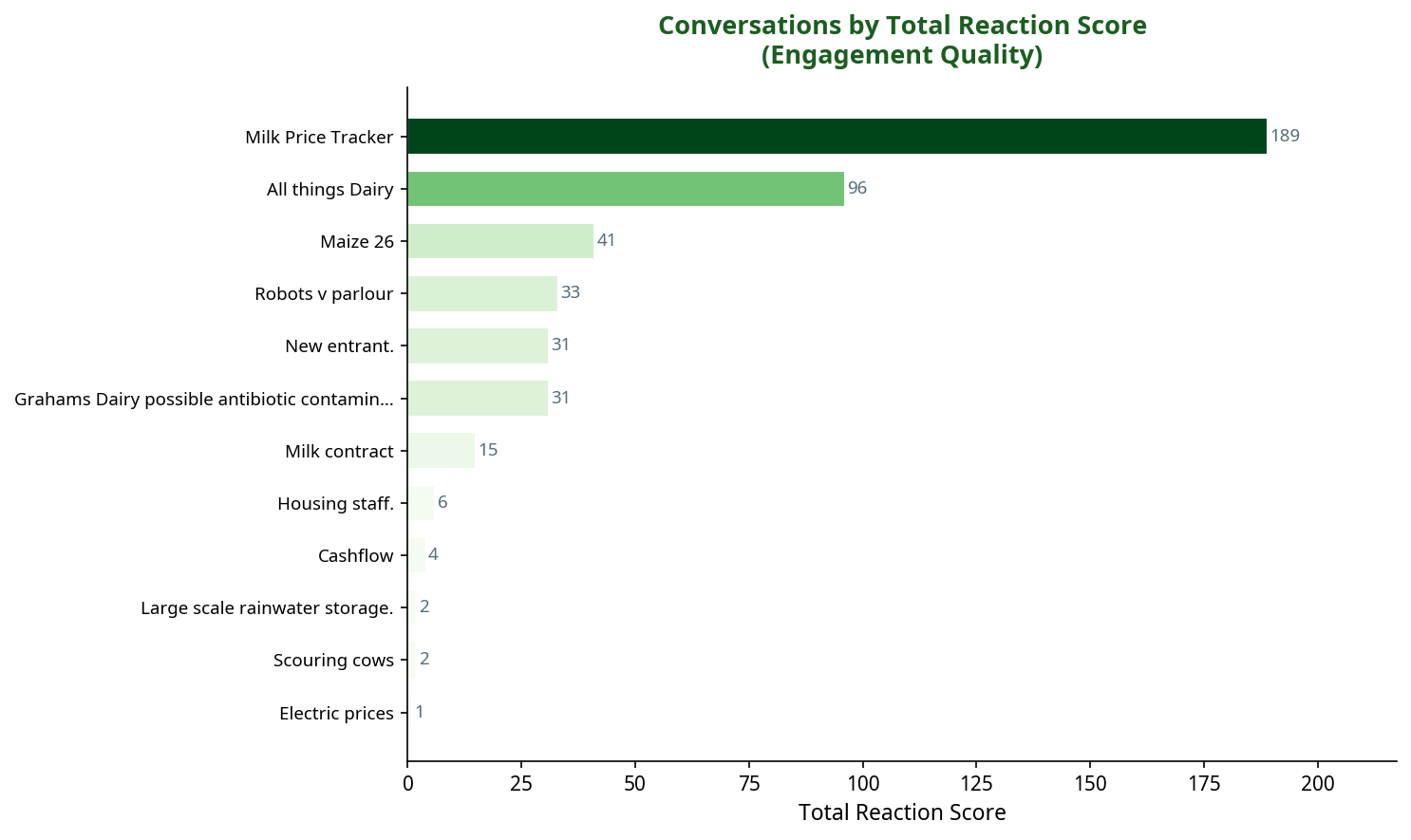
This week on The Farming Forum’s Dairy section, the predominant concerns centered around milk pricing volatility, emerging health challenges in herds, and the evolving debate between robotic milking systems versus traditional parlours. Discussions on antibiotic contamination allegations at Grahams Dairy drew significant attention, underscoring ongoing industry vigilance regarding product safety. Meanwhile, workforce and housing issues remained topical, reflecting challenges in farm labour management. Technological innovation, particularly related to temperature and humidity sensors and automation, also featured in conversations, emphasizing cost efficiencies and farm management advancements. New entrants to the dairy sector engaged actively, posing pertinent questions on capital requirements and system choices. Overall, the forum provided rich insights into economic pressures, animal health, labour dynamics, and technology adoption shaping the dairy landscape.
—
Conversations at a Glance
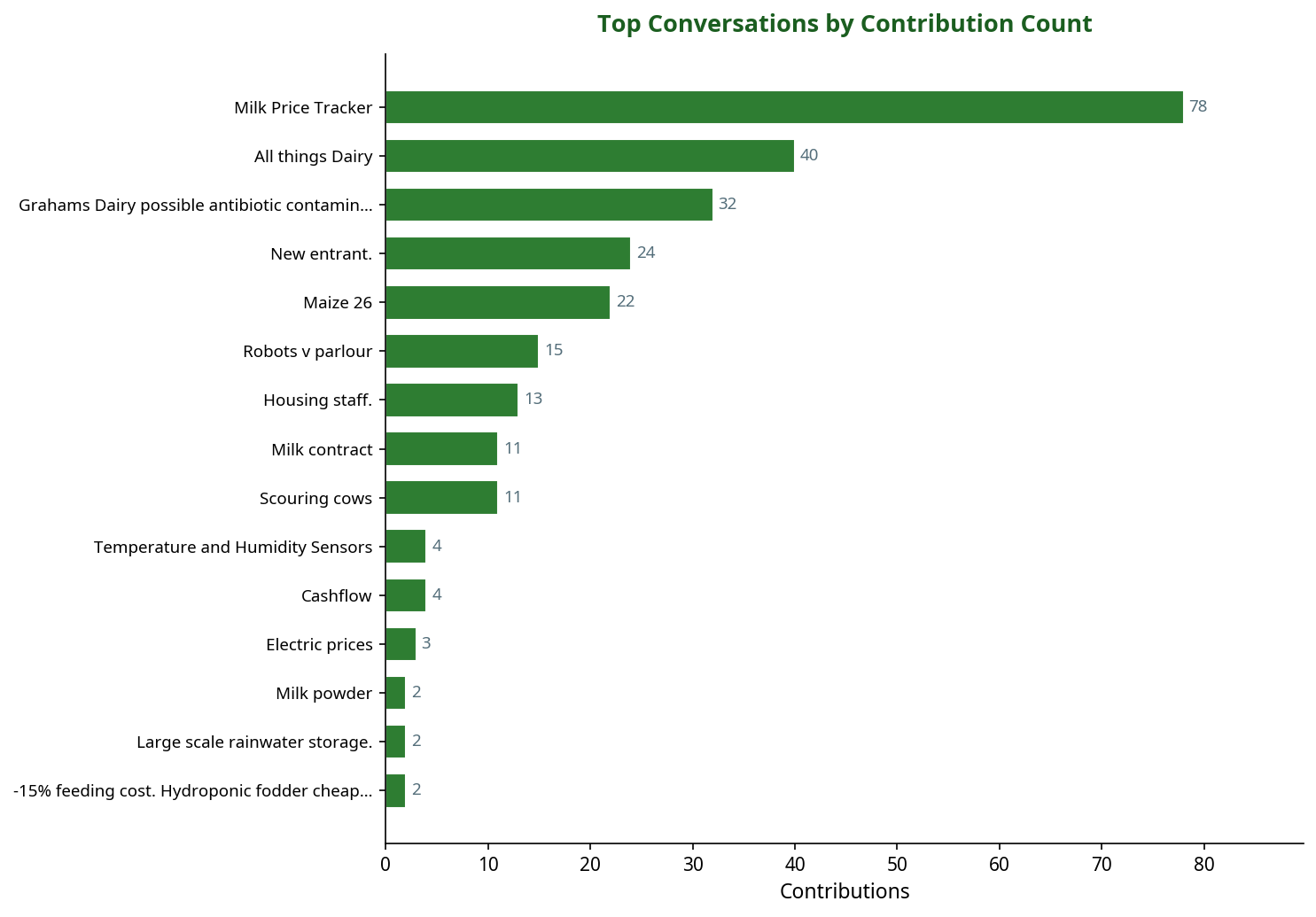
| Conversation Name | Contributions | Key Topics |
|---|---|---|
| Milk Price Tracker | 78 | Milk price fluctuations, payout concerns, tax implications, supply contracts |
| All things Dairy | 40 | General dairy management, industry news, product quality, feeding strategies |
| Grahams Dairy possible antibiotic contamination | 32 | Allegations on milk contamination, safety protocols, response actions |
| New entrant. | 24 | Queries on farm purchasing, financing, equipment choices, herd management |
| Maize 26 | 22 | Crop management, feed quality, harvesting concerns |
| Robots v parlour | 15 | Technology comparison, cost-benefit analysis, operational workload, maintenance |
| Housing staff. | 13 | Staff accommodation, pay structure, retention strategies |
| Scouring cows | 11 | Herd health issues, diagnosis, treatment options, disease outbreaks |
| Milk contract | 11 | Contract terms, pricing strategies, supplier relationships |
| Temperature and Humidity Sensors | 4 | Sensor tech procurement, installation costs, automation integration |
| Cashflow | 4 | Financial management, loan servicing, tax bills |
| Electric prices | 3 | Energy cost concerns, supplier reviews |
| Other topics (Milk powder, fodder cost reduction, calf prices, parlour equipment) | <5 | Nutritional solutions, cost-saving innovations, equipment sales |
Detailed Discussion Highlights
Milk Pricing and Economic Pressures
The Milk Price Tracker conversation led the week with 78 contributions, reflecting acute interest in milk market volatility and economic impacts on dairy operations. Participants discussed recent fluctuations in milk payouts, citing examples such as an elevated tax bill coinciding with a lower July milk cheque. Various contributors highlighted complexities in milk contracts, with some engaging in detailed exchanges about franchise relationships with major suppliers like Fonterra, noting differences between shareholders and sharemilkers in terms of payout reception.
Several contributors shared insights into milk contract negotiations and their effects on cash flow, emphasizing the importance of managing loan repayments alongside fluctuating income. Discussions on electric prices also intersected here, with reports of suppliers like Scottish Power frequently adjusting rates mid-contract, adding financial unpredictability.
—
Animal Health Concerns: Scouring Cows and Antibiotic Contamination
A pressing animal health topic emerged in the Scouring cows conversation, which logged 11 contributions describing sudden outbreaks impacting milk yield and cow wellbeing. Reports of increased cases with symptoms such as mucus-like diarrhoea and transient pyrexia signaled a possible viral etiology. Participants exchanged veterinary perspectives, considering differential diagnoses including salmonella, mycotoxin exposure, and coronavirus infections. The possibility of fertility issues and early embryonic losses was also raised in connection with ongoing herd health challenges. Treatment options such as ketoprofen administration were shared, though concerns remained about disease persistence and effective vaccines.
Parallel to this, a notable discussion on Grahams Dairy possible antibiotic contamination garnered 32 contributions. Forum members debated safety protocols and contamination risks, underscoring the importance of strict antibiotic use compliance and vigilant testing to maintain consumer confidence and product integrity.
—
Technological Adoption: Robots versus Parlour Milking Systems
The Robots v parlour conversation generated 15 contributions wherein experienced and new users compared milking system efficiencies. Long-term users of Lely robot systems shared balanced views, acknowledging higher running and maintenance costs but appreciating operational benefits such as quieter operation, improved cow flow, and reduced labour intensity. Discussions also highlighted advances in technology including faster teat cup attachment and enhanced parlour design ergonomics.
Conversely, some contributors favored traditional parlour milking for its lower running costs and predictable maintenance, noting that relief milkers, though costly, may still offer human advantages robots cannot substitute, such as immediate troubleshooting. Anecdotes included humourous but real operational challenges with robots signaling breakdowns at inconvenient times, indicating that technological integration is not without flaws.
—
Workforce and Staff Accommodation Issues
The thread titled Housing staff. registered 13 contributions centered on strategies to manage accommodation disparities among farm employees. Contributors debated equitable pay structures when some staff live on-farm and others do not, exploring solutions such as housing stipends and salary adjustments to prevent discord. Suggestions included transparent job advertisements for new roles like herd managers, allowing existing staff to apply and recalibrate remuneration expectations accordingly.
Issues of staff retention, workload sharing, and role differentiation were woven into the forum discourse, highlighting the ongoing challenge farms face in attracting and maintaining skilled labour while managing fairness and morale.
—
New Entrants and Capital Considerations
With 24 contributions, the New entrant. conversation saw many seeking advice on entering dairy farming. Topics ranged from financing land acquisition (e.g., borrowing to buy 120 acres) to the viability of investing in robotics and automation systems given capital availability. Experienced members cautioned about cash flow demands beyond initial equipment purchase, including management of calf rearing facilities and contingency planning for animal health issues like TB.
New entrants received valuable practical insights into balancing ambitious expansion with realistic financial and operational planning.
—
Crop and Feed Management
In Maize 26 and related conversations, participants discussed crop performance and feed quality. Concerns over feed storage conditions impacting silage palatability surfaced, with some linking poor feed quality to subsequent animal health issues, such as digestive upsets and scouring. Novel feed strategies, including hydroponic fodder options offering significant feeding cost reductions, sparked limited but positive interest.
Discussions about milk powder formulations, including reverse ratio powders high in oil content, addressed post-weaning growth considerations, evidencing ongoing efforts to optimize nutrition and growth performance.
—
Technological Innovations and Sensors
Though smaller in volume, the Temperature and Humidity Sensors conversation provided insights into cost-effective automation solutions for environmental control. Contributors shared experiences of sourcing affordable sensors from online retailers, detailing the complexities of integrating relay controls and customized programming to meet grant specifications. Such discussions complement broader trends towards smarter farm infrastructure for enhanced herd health and energy efficiency.
—
Conclusion
This week’s forum activity in the Dairy section of The Farming Forum encapsulates the multifaceted challenges and opportunities faced by modern dairy farmers. Milk price uncertainty and financial management remain top priorities, while emerging animal health threats require proactive vigilance and information sharing. Technology continues to shape operational choices, from robotic milking systems to environmental sensors, though careful consideration of costs and practicalities remains essential. Workforce management issues, especially equitable staff housing and remuneration, reflect the ongoing human element critical to farm success. The engagement by new entrants signals optimism and a willingness to innovate, balanced by prudent advice from seasoned farmers. Collectively, these conversations underscore the dynamic and complex nature of dairy farming today.
—