Politics Section Weekly Summary
Date Range: 29 June 2026 – 5 July 2026 Source: The Farming Forum – Politics Section—
Executive Summary
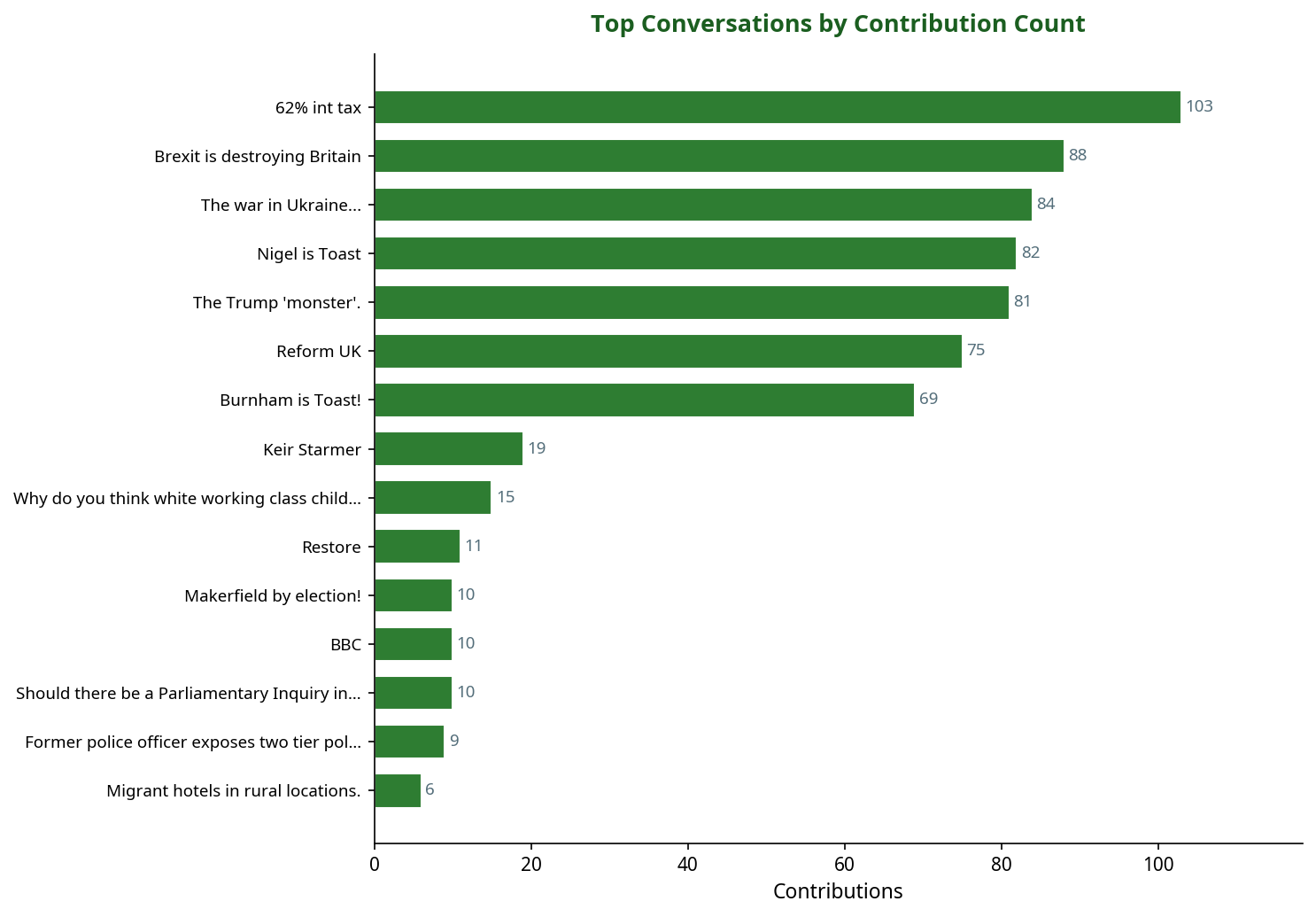
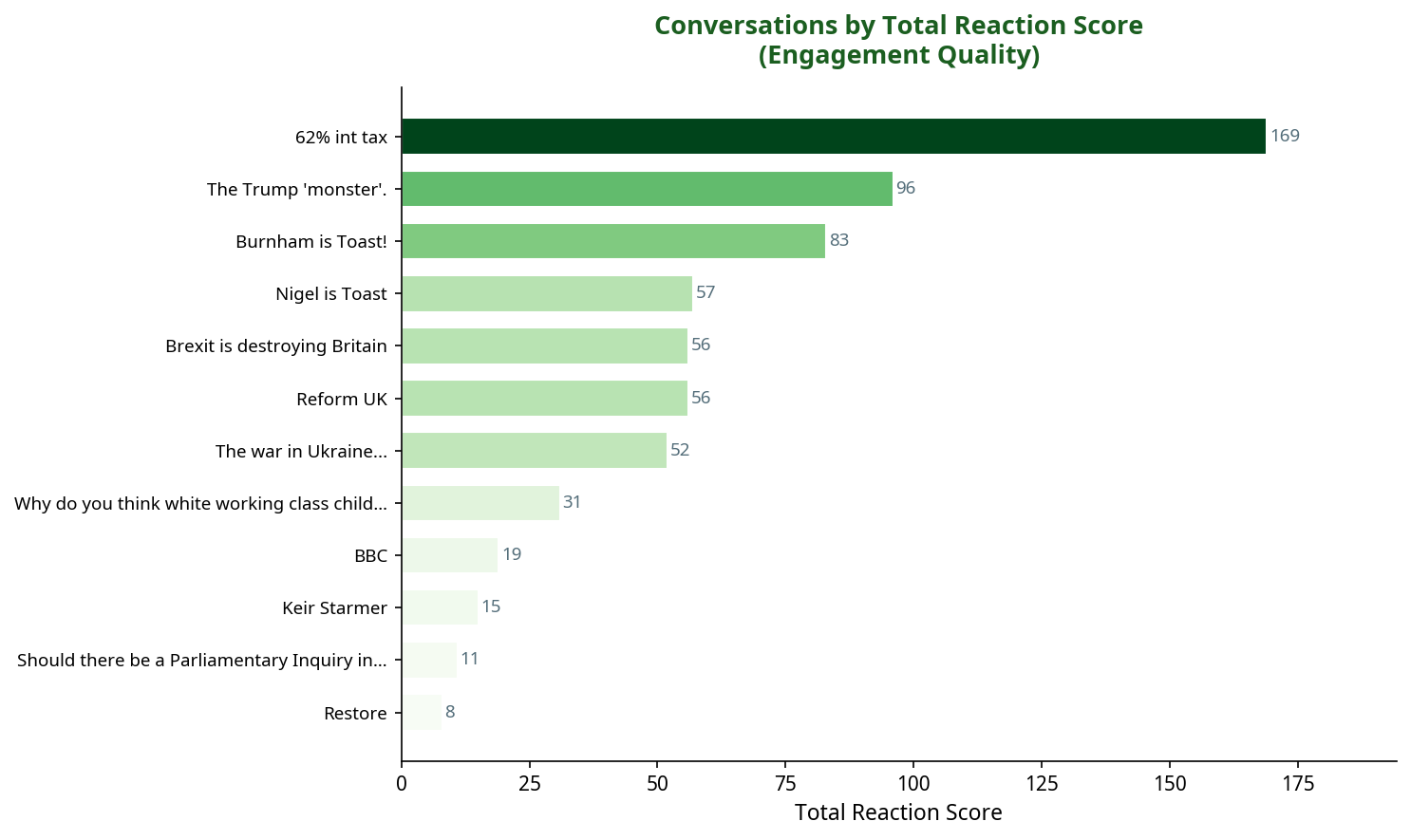
This week’s political discourse on The Farming Forum was dominated by intense debates surrounding international taxation, Brexit and its socio-economic consequences, the war in Ukraine, and the rise and challenges of political figures and parties including Reform UK and key personalities such as Nigel Farage and Keir Starmer. Discussions frequently interwove concerns over national sovereignty, economic realities post-Brexit, and governance challenges, reflecting a community deeply engaged with the UK’s evolving political narrative. Additionally, immigration, policing, and media credibility surfaced as notable topics, underscoring the varied spectrum of political priorities among forum members.—
Conversations at a Glance
| Conversation Name | Contribution Count | Key Topics |
|---|---|---|
| 62% International Tax | 103 | UK tax policies, international cooperation, fiscal sovereignty |
| Brexit is Destroying Britain | 88 | Brexit consequences, economic impact, political division |
| The War in Ukraine… | 84 | Conflict analysis, geopolitical implications, UK’s foreign policy |
| Nigel is Toast | 82 | Political decline of Nigel Farage, Reform UK’s strategy |
| The Trump ‘Monster’. | 81 | US politics, Donald Trump’s influence and controversies |
| Reform UK | 75 | Electoral gains, policy promises, immigration stance |
| Burnham is Toast! | 69 | Critique of Andy Burnham’s leadership and policies |
| Keir Starmer | 19 | Labour leadership dynamics, future political ambitions |
| Why do you think white working-class children perform so badly at school? | 15 | Educational disparities, socio-economic factors |
| Restore | 11 | Restoration politics and policy discussion |
| Other Conversations (11 or fewer contributions each) | Varying | Parliamentary inquiries, policing, migrant accommodation, elections, BBC coverage |
Detailed Coverage of Key Conversations
#### 62% International Tax (103 contributions) This was the week’s most active conversation, with forum members engaging robustly on the implications of international tax agreements for UK sovereignty and economic competitiveness. Contributions highlighted concerns over the balance between global fiscal responsibility and protecting national tax interests. A significant portion debated the UK government’s strategy in aligning with international tax bodies, scrutinizing the potential impact on domestic businesses, especially those in rural and agricultural sectors. Members exchanged views on whether such collaboration infringes on the “sovereign” status frequently prized in these discussions.
#### Brexit is Destroying Britain (88 contributions) Brexit’s ongoing fallout continues as a core topic. The conversation underscored community anxieties over deteriorating living standards, economic instability, and political fragmentation. Several contributors referenced recent analyses questioning Brexit’s data integrity, igniting disputes between proponents and critics. The dialogue also delved into immigration, trade barriers, and the Northern Ireland Protocol, with some invoking comparisons to Sweden and Poland’s EU engagement as points of reference. This conversation frequently intersected with debates on sovereignty and economic reality.
#### The War in Ukraine… (84 contributions) This conversation traced geopolitical stakes and the UK’s foreign policy responses to the conflict in Ukraine. Participants shared media links and analysis, debating the effectiveness of Western sanctions, military aid, and humanitarian concerns. The dialogue revealed divergent views on UK alignment with NATO and the broader implications for European security architecture.
#### Nigel is Toast (82 contributions) and Reform UK (75 contributions) Nigel Farage’s political influence and Reform UK’s trajectory were intensely discussed. Members debated whether Farage’s political relevance is fading (“toasted”) or being revitalized through Reform’s electoral successes, particularly concerning its stance on immigration control and governance reform. Some contributions expressed skepticism about Reform’s ability to effect meaningful change, while others showed cautious optimism.
#### The Trump ‘Monster’. (81 contributions) US political narratives resonated strongly, with members dissecting Donald Trump’s latest actions and their global reverberations. Discussions included ideological divisions, media portrayal, and comparisons with UK political figures, emphasizing the transatlantic political climate’s influence on domestic politics.
#### Burnham is Toast! (69 contributions) and Keir Starmer (19 contributions) Critiques of Andy Burnham featured prominently, with contributors questioning his leadership and effectiveness, particularly in relation to Labour’s performance and policy responses. Keir Starmer’s role as Labour leader also attracted commentary, especially regarding rumors of possible future ambitions and his handling of internal party dynamics. Despite lower contribution numbers, these conversations reflected heightened interest in Labour’s direction ahead of impending electoral contests.
#### Other Notable Conversations – Education inequality: Debates on why white working-class children underperform in schools highlighted concerns about social mobility and education system effectiveness. – Policing and inquiries: Discussions on alleged two-tier policing and calls for Parliamentary inquiries into sensitive issues illustrated community scrutiny over law enforcement and justice. – Media and Information: Criticism of BBC coverage and skepticism about political messaging underscored a broader mistrust toward media narratives. – Migrant accommodation: Rising concerns about migrant hotels in rural areas intersected with broader immigration debates, notably within Reform UK discussions.
—
Conclusion
This week’s political discussions on The Farming Forum reveal a forum community deeply engaged with both domestic and international political issues, with Brexit and international tax policies at the forefront. The tenor of conversations ranges from critical scrutiny of political leadership to broader debates on sovereignty, economic wellbeing, and societal challenges such as education and policing. Emerging from these dialogues is a complex portrait of a politically aware and concerned community, one that is wrestling with rapid changes at home and abroad while seeking clarity and actionable solutions. The continuing evolution of Reform UK and Labour’s leadership dynamics will be key political themes to monitor in the coming weeks.—
End of summary.