
By TFF News
Date: 09 April 2026
Sector: Agricultural Politics
A recent article in The Guardian quoting Reform UK’s agricultural advisor has ignited a fierce and wide-ranging conversation on The Farming Forum, highlighting deep-seated frustrations over farm gate prices, supply chain fairness, and the political representation of British agriculture.
<!–more–> <!–more–>
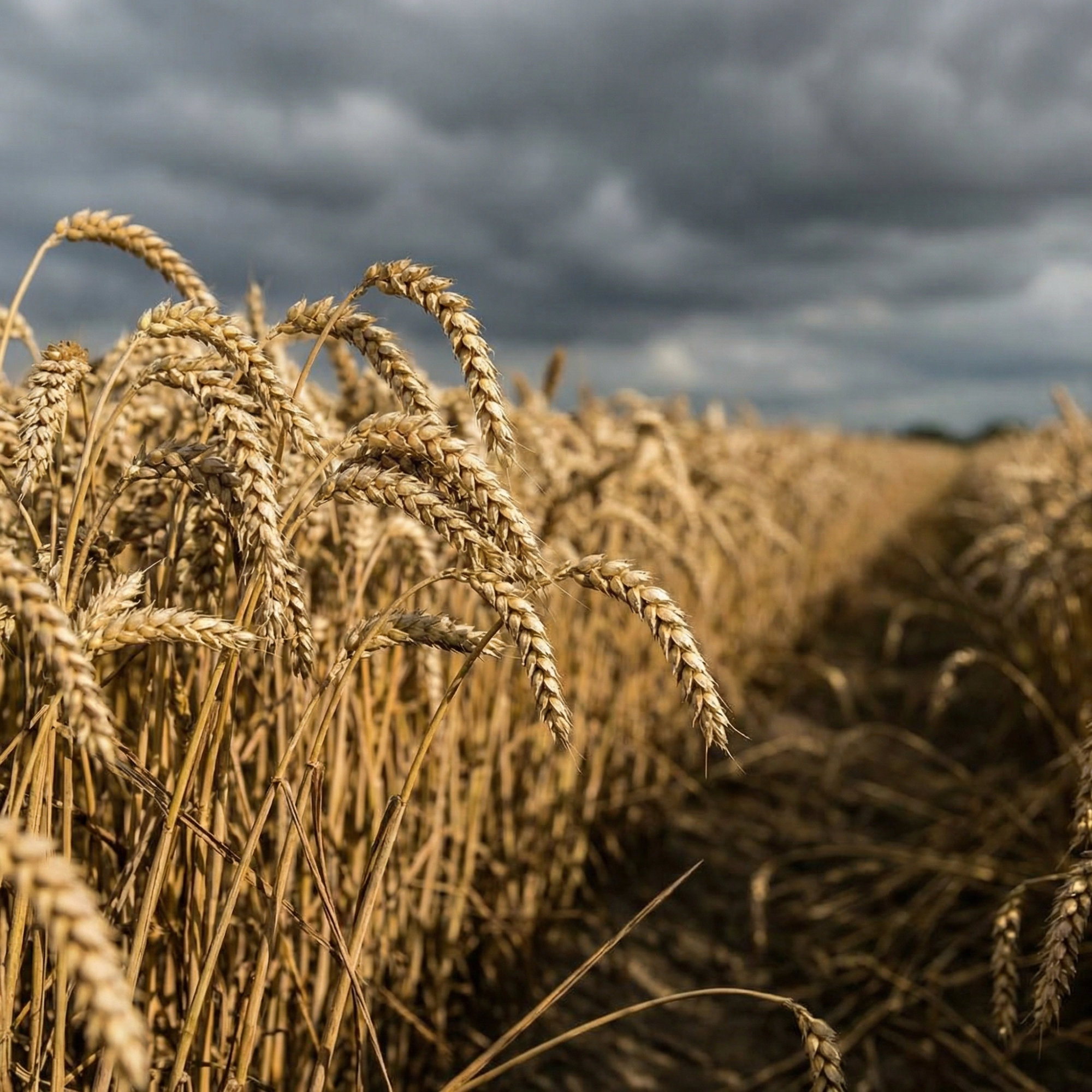
The discussion, which has garnered over 7,000 views and 278 contributions, began when a user shared a report detailing calls from Clive Bailye, a Reform UK’s agricultural advisor, for a significant hike in wheat prices. The premise, that doubling the farm gate price of wheat would transform arable margins while adding only pennies to the cost of a loaf of bread, struck a chord with many arable producers who feel squeezed by processors and retailers. However, it also immediately raised alarms among livestock farmers concerned about the knock-on effect on feed costs.
The Supply Chain Squeeze
Early contributions to the conversation focused heavily on the economics of food production. Many farmers expressed agreement with the core argument that primary producers receive an unfairly small percentage of the final retail price.
“Yet more critics who fail to understand that a fair price to the farmer does not correlate to doubling food prices?” noted one contributor. “Doubling wheat price would take it closer to where it should be if taking inflation into account… it would add 10p to a loaf of bread, not £1.40.”
Another farmer highlighted the disparity in power within the supply chain: “Most of the cost of bread is milling, baking, packaging, transport, + retailer and baker profit margin. Meanwhile those retailers and bakers control the market and pay small farmers a pittance.”
However, the interconnected nature of agriculture was quickly brought to the forefront. Livestock producers pointed out that a massive increase in grain prices would severely impact their already tight margins, illustrating the difficulty of creating policy that benefits all sectors equally.
Political Frustration and Scepticism
As the conversation progressed, it broadened into a stark critique of the current political landscape. There was widespread consensus that neither the Conservative nor Labour parties have delivered for agriculture, with mentions of cancelled support schemes, punitive tax changes, and a general feeling of “managed decline.”
Clive Bailye, participating directly in the conversation, defended his position and Reform UK’s emerging platform. “I do not support increasing food prices for consumers,” he clarified. “My comments were about the need for a fairer and more consistent supply chain for British farmers, not about making bread or other everyday food unaffordable.”
He argued that farmers have seen what the old parties deliver and that expecting a different outcome from them is “the definition of folly.”
Despite this, many contributors remained highly sceptical of Reform UK. Questions were raised about the party’s historical stance on free trade and importing cheaper food, with some farmers doubting whether a protectionist approach to UK agriculture aligns with the party’s broader economic ideology.
“We are supposed to believe that a man who spent years championing free trade is now going to take a protectionist approach to improving farm-gate prices via trade deals,” one sceptical farmer remarked.
A Sector at a Crossroads
The conversation underscores a critical moment for UK agriculture. Farmers are demanding a sustainable future, but there is little agreement on which political vehicle can deliver it. The debate on The Farming Forum reveals a community that is highly engaged, deeply knowledgeable about the economics of their industry, and increasingly impatient with political rhetoric that fails to translate into practical support.
As one contributor succinctly put it: “In this post-subsidy world, the bottom line is that either ‘we’ (the UK) value domestic farming and have mechanisms that guarantee it can continue… or we decide that domestic agriculture isn’t important so it’s ok for it to wither and disappear.”
read the full conversation on The Farming Forum here
You can view a slide deck for the conversation by clicking here
Want your brand in the room when farmers are talking? Book advertising with Agri Web Media.