
Summer 2024: cool, wet, dry – all at once
By TFF News, 18 August 2026, Agriculture
Why did a summer that seldom felt hot still split UK farms between rut-making rain and concrete-hard ground? Why did many report fewer muggy nights yet not much harvest ease? Why did grass gallop in some districts and stall in others? Why are drilling plans edging earlier for some, despite weed and soil worries? How are growers and livestock keepers adapting to short, windy weather windows? A recent 115-contribution conversation captures a season that never quite settled, and the practical consequences across fields and yards.
Across the conversation, contributors described a diagonal weather divide, with western and northern areas repeatedly wet and windy while eastern and southern pockets turned markedly dry. The implications are concrete for the agri trade. Spray timeliness, travelability, forage quality and drilling dates all hinge on narrow, shifting windows. Some report haylage instead of hay, delayed desiccation and cautious early drilling to dodge a feared repeat of last autumn. Others are holding off entirely until soils temper. It is a summer of microclimates, improvisation and risk trade-offs.
A cool summer that never quite arrived
Few farmers described sustained heat. Several remarked on comfortable nights and kitchens where range cookers stayed on, conditions that normally force a summer switch-off. While one contributor countered, “It’s a 100 x better than last year”, many agreed that 2024 lacked those long, hot, settled spells that simplify haymaking and harvest logistics. Cloud, wind and brief warm plumes came and went without delivering reliable runs of dry days.
The cloudiness and wind mattered as much as the temperature. Spray opportunities were frequently scuppered by showers or breezes, and even short dry breaks were hard to trust for hay. Some wrapped by default when the next front loomed. Others reported that even the so-called warm snaps were humid and dull rather than bright and drying.
The diagonal divide: soaked to the west, parched in pockets
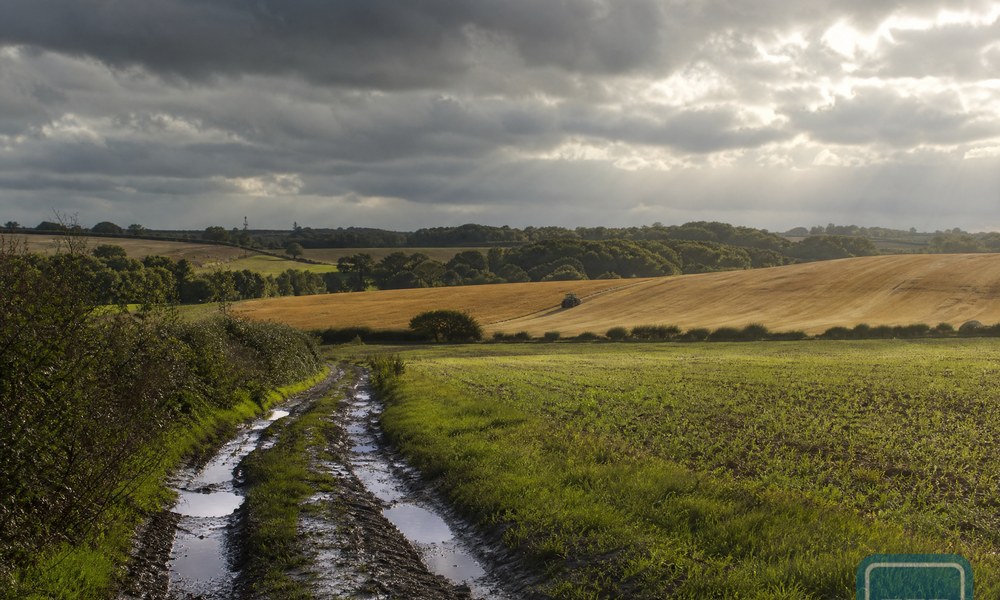
Experiences diverged sharply by location. Imagery and comments from Cumbria and up into Dumfriesshire described persistent wet, saturated ground and vehicles marking or even sticking near gateways. In contrast, parts of Devon, the Welsh border and County Durham reported bone-hard surfaces, slow grass growth and crops showing drought stress on lighter patches.
One contributor captured the dryness succinctly: “I can drive around my fields with my fork lift truck, that is how dry it is.” Another, looking at rainfall graphics, argued that a simple north-south narrative misses the point, pointing instead to a familiar diagonal split across the country. The net effect is an awkward juxtaposition of too wet and too dry simultaneously, sometimes within the same wider region.
Narrow operating windows and altered tactics
Short, unreliable weather windows defined fieldwork. Spray days slipped to wind or rain, and several growers waited more than a week to treat spring barley, with weeds still needing to die back before combining. In wet districts, travel cut ruts and some kit nearly stuck even at field edges. Elsewhere, banks and steep bits briefly dried “once the dew has gone off”, prompting muck carting while conditions allowed.
Hay windows were seldom long enough to relax. Some wrapped at the end of July after giving up on a classic hay spell. Where winter cereals went in late and wet last season, yields and harvest ease suffered, and a few contributors now plan to drill earlier than ideal to avoid a repeat of last autumn’s mud. Subsoiling is under way in places, but other fields are judged too dry and lumpy for good drilling.
Grass, roots and livestock: mixed fortunes
Pasture performance split opinion. A Sussex voice praised exceptional growth on chalk, while upland and northern contributors described poor recovery two months after silage. Elsewhere, grass never got away from sheep all summer. Potatoes in some areas showed drought stress, and old drainage lines reappeared as crops fared slightly better over the drains. One livestock farmer summed up the wet-side experience starkly: “Growth has been awful and ground is saturated.”
Animal health signals were varied but generally manageable in the cool. Some noted fewer days too hot to dog-walk, while a sheep keeper reported no fly strike over the summer with Dysect applied. Turnips were through but found conditions too cold and wet to motor. Wasps were scarce in some districts and plentiful in others.
Searching for a pattern, planning for September
Explanations were offered cautiously. Contributors pointed to cooler sea surface temperatures around the UK, a jet stream delivering ex-hurricane remnants, and even speculated about Icelandic volcanic activity or trans-Atlantic wildfire haze. Others held out for a classic “September High” or an Indian summer to reset drilling, forage and late harvest plans. The consensus was not about causes but about tactics: read the ground, act fast in the gaps, and avoid getting lulled by forecasts that keep shifting.
In that spirit, some are poised to move seed and steel early if moisture and tilth align, while others will hold fire rather than chase an unready seedbed. On heavily rained-on soils, repairing ruts and restoring structure are priorities; on parched land, protecting what little surface moisture remains is the immediate task. The conversation’s mosaic makes one point plain: 2024’s summer asked for agility more than endurance.
Taken together, the 115 contributions and 219 reactions sketch a season that felt cool, cloudy and windy, yet delivered both waterlogging and dust. Forage makers leaned on haylage when hay windows shrank, sprayer operators missed slots to breeze and showers, and drilling plans now balance scar tissue from last autumn with the realities of present soil conditions. Hopes for a steadier September run high. Until then, the playbook is familiar and pragmatic: prepare, watch, and move quickly when ground and sky finally align.
Read the full conversation on The Farming Forum here.
This conversation had been viewed 9,867 times on The Farming Forum when counted on 1 October 2026. Want your brand in the room when farmers are talking? Book advertising with Agri Web Media.