
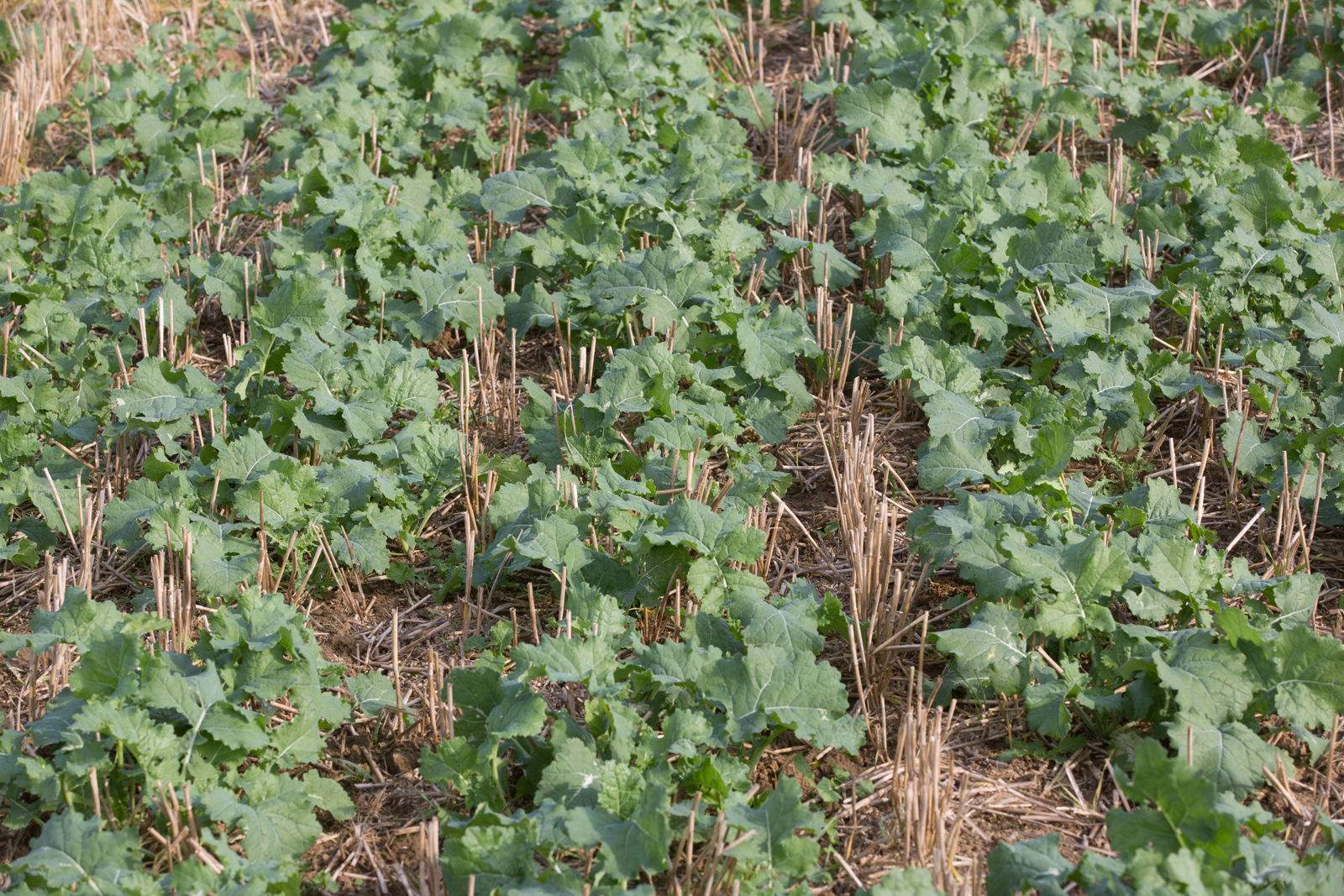
Building stronger oilseed rape canopies this autumn could help growers reduce spring nitrogen requirements, with micronutrient management playing an important role in crop establishment and nutrient use efficiency.
With a reported increase in oilseed rape (OSR) in the ground this season, Agrii is encouraging growers to monitor crop development closely through the autumn and address nutritional limitations before winter.
“Growers should be focusing on appropriate micronutrient management this autumn if they want to help build a robust crop which is capable of utilising available nitrogen efficiently,” says Dr Mark Glover, Agrii Biosolutions, Micronutrition and Adjuvants Business Manager.
That means looking beyond the major nutrients and using tissue analysis to identify potential deficiencies, with molybdenum and boron among the key micronutrients to consider.
Stronger canopies and spring nitrogen
Crop condition going into the spring can have a significant bearing on the amount of nitrogen required to achieve target yield. Micronutrients influence a range of plant processes, including rooting, crop development and the way nitrogen is utilised, so supporting the crop through establishment can contribute to a stronger canopy by February.
“For a 3.5t/ha OSR crop, a GAI of 0.5 can require around 183kg/ha of spring nitrogen, compared with about 100kg/ha where GAI is 1.5,” says Dr Glover.
According to Agrii, at an ammonium nitrate price of around £400/t for 34.5% N, that represents a difference of more than £100/ha in fertiliser cost, with the lower-GAI crop requiring approximately £249/ha of nitrogen, compared with around £136/ha for a crop with a GAI of 1.5.
“There is nothing worse than getting to February and trying to recover a crop rather than optimise it,” says Dr Glover. “A GAI of 0.5 is okay and manageable, but the cost of getting a 3.5t/ha yield from that is substantial with bagged nitrogen.”
Tissue analysis
Dr Glover recommends an integrated approach to crop nutrition, starting with soil testing and supported by tissue analysis as the crop develops. “If we don’t measure it, we can’t manage it properly,” he says.
Tissue analysis can identify developing deficiencies that may not be obvious from soil results alone, which matters where the aim is to improve nutrient use efficiency, as limitations elsewhere in the crop can prevent it making full use of available nitrogen.
Molybdenum
Molybdenum deserves particular attention in both autumn and spring where growers want to optimise the use of applied nitrogen, he says. Sulphur remains fundamental to nitrogen use efficiency and should not be compromised, but sulphur applications can influence molybdenum availability within the plant, so soil molybdenum levels alone may not give the complete picture.
“That comes back to tissue analysis,” says Dr Glover. Where low molybdenum is identified, it can often be addressed through a foliar micronutrient application.
Boron and rooting
Boron has an important role in root development in oilseed rape, making autumn boron status worth monitoring. Where a requirement is identified, Dr Glover says growers should also consider the formulation applied.
Boron has relatively limited mobility within OSR because the crop produces comparatively low quantities of polyols, compounds associated with the movement of certain nutrients around the plant. Agrii trials comparing boron formulations found limited movement of conventional boron into younger leaves, while its PolyactivB formulation resulted in significantly more boron being detected in younger, developing tissue. Associating boron with polyols can help improve mobility by supporting movement through the phloem rather than the xylem, he explains.
Stress, potassium and nitrogen form
Balanced nutrition also has a role in helping OSR cope with drought and heat, with potassium and magnesium highlighted. Potassium is involved in water regulation, nutrient movement and physiological processes, while adequate magnesium is important for maintaining photosynthetic activity. Dr Glover adds that there are concerns over low potassium carryover following last season, making K availability worth reviewing, particularly where straw has been removed.
Growers should also consider the form and timing of nitrogen applied to establishing crops, particularly where plants are already under stress from poor soil conditions, pest pressure or adverse weather, and look at the wider nutritional status of the crop rather than nitrogen in isolation.
A well-established crop with good rooting and an appropriate canopy going into spring is better placed to make effective use of available nutrients and may require less remedial input later in the season.
Source: press release issued by Agrii.