Weekly Summary: Arable Discussions on The Farming Forum
Date Range: 27 July – 2 August 2026—
Executive Summary
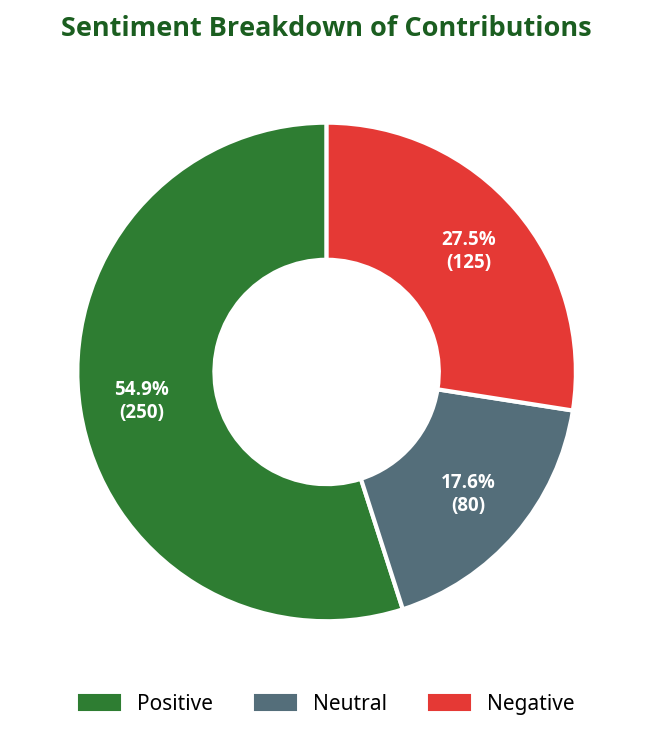
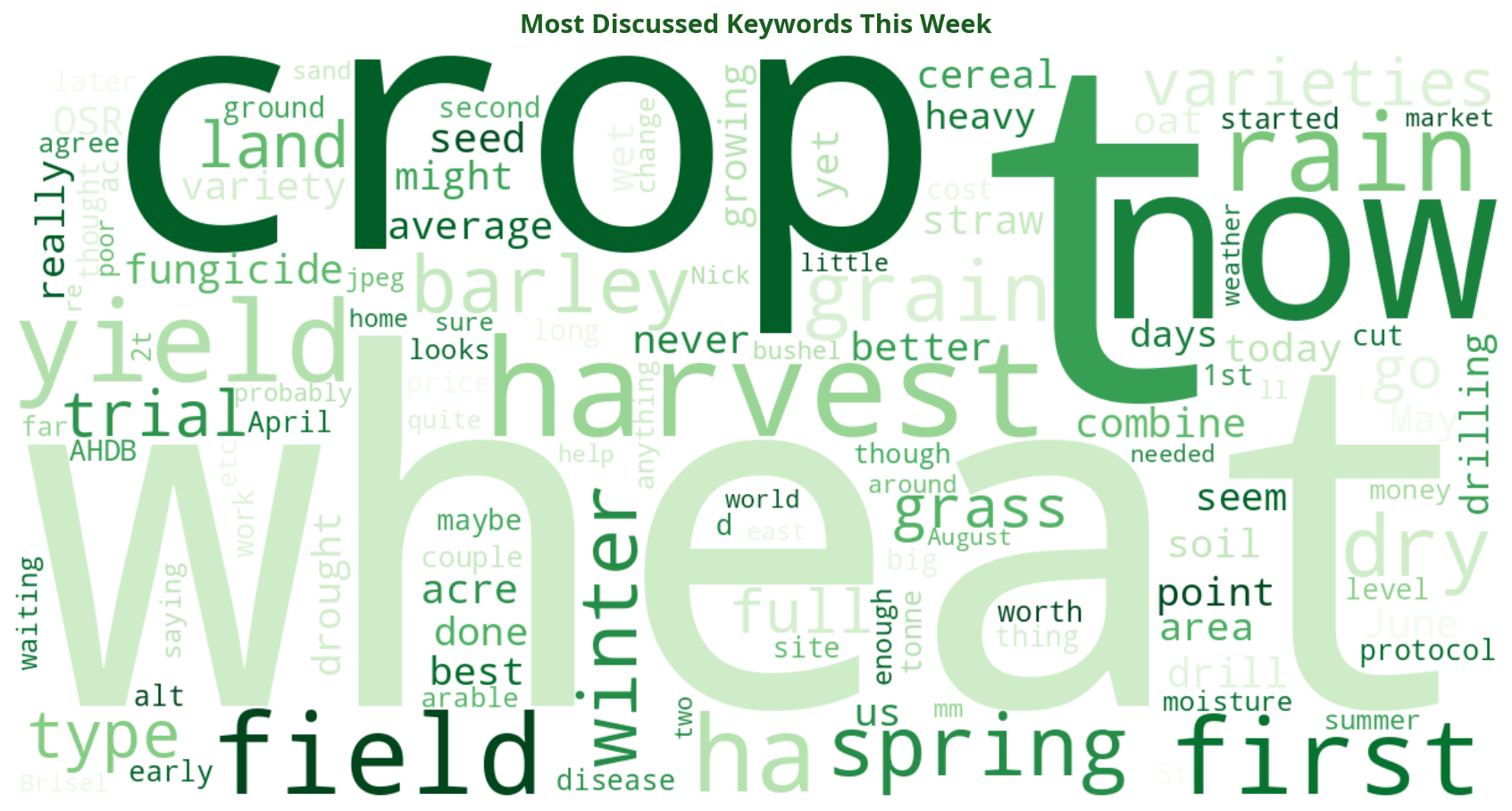
The past week on The Farming Forum’s Arable section was dominated by intensive discussions surrounding the 2026 harvest, with members sharing yield reports, weather impacts, and harvesting challenges. This was complemented by active engagement on commodity pricing, specifically combinable crop markets during a volatile season. Oilseed rape (OSR) crops attracted attention in context of profitability and management strategies for the 2026/27 season, while focus on specific varieties such as Claire and Riband wheat highlighted growers’ interest in varietal performance under this year’s conditions. Other notable topics included winter wheat yields, arable farm management strategies, and detailed queries on spring linseed cultivation and seed pricing. The overarching sentiment reflected cautious optimism fueled by sporadic rainfall benefitting some regions, alongside frustration over dry conditions impacting others.—
Conversations at a Glance
| Conversation Name | Contributions | Key Topics |
|---|---|---|
| Harvest 2026 | 207 | Yield reports, weather impact, variety performance, harvesting conditions |
| Combinables Price Tracker | 64 | Market pricing trends, contract negotiations, commodity values |
| Osr 2026/27 | 37 | OSR profitability, cropping decisions, planting strategies |
| Claire / Riband Wheat | 32 | Variety performance, yield comparisons, disease resistance |
| Just Winter wheat yields | 25 | Yield figures, regional variations, weather influence |
| Taking the arable back in hand | 23 | Farm management strategies, soil health, crop rotation |
| Bspb rates | 15 | Seed pricing, royalty rates, contractual obligations |
| Spring linseed advice please. | 9 | Crop establishment, desiccation practices, pest management |
| BASIS / NROSO CPD Points | 8 | Professional training, certification requirements |
| OSR – worth rolling the dice ? | 7 | Risk analysis, market outlook, crop insurance |
Detailed Discussion Highlights
Harvest 2026: Yield Variability and Weather Impacts
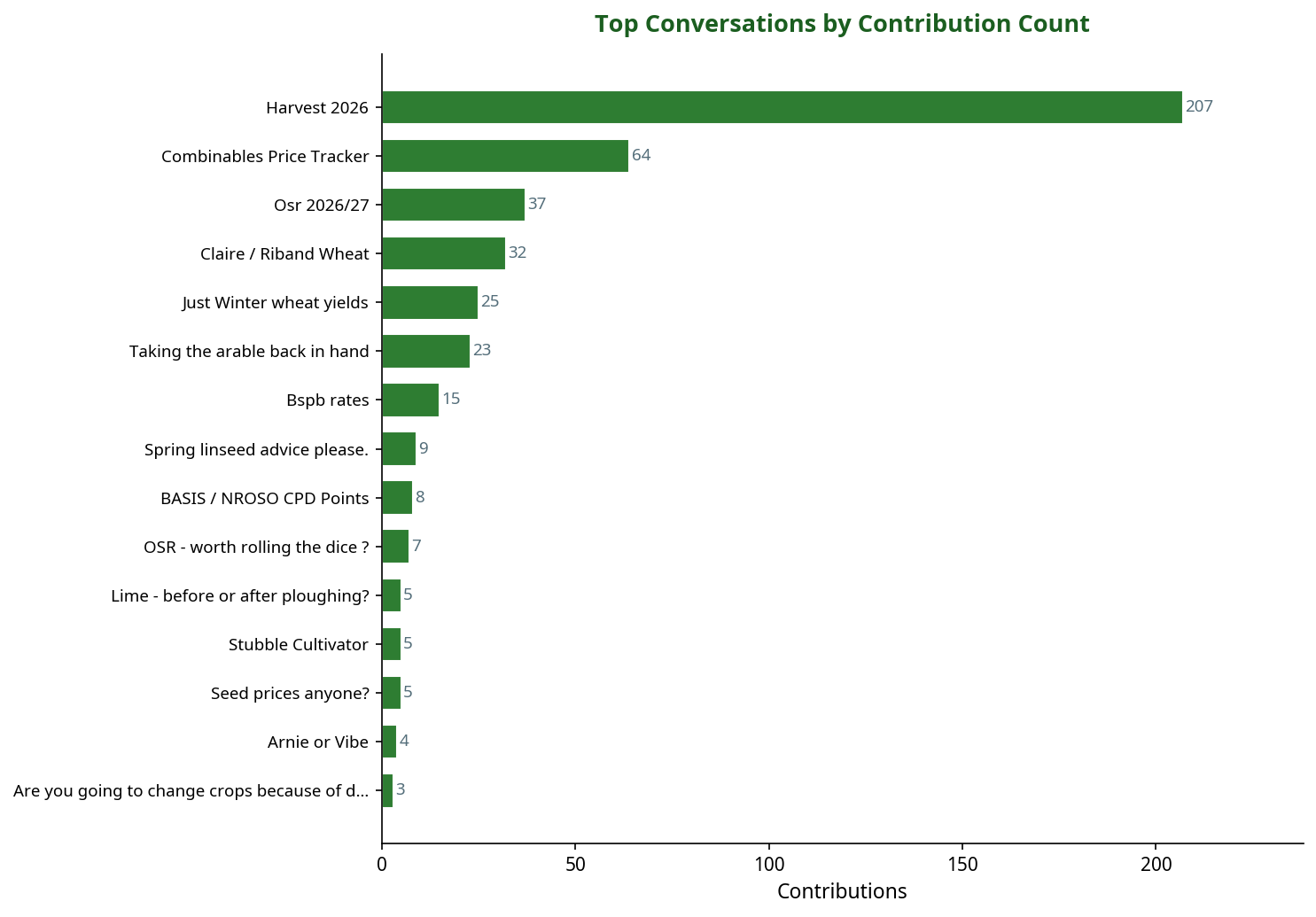
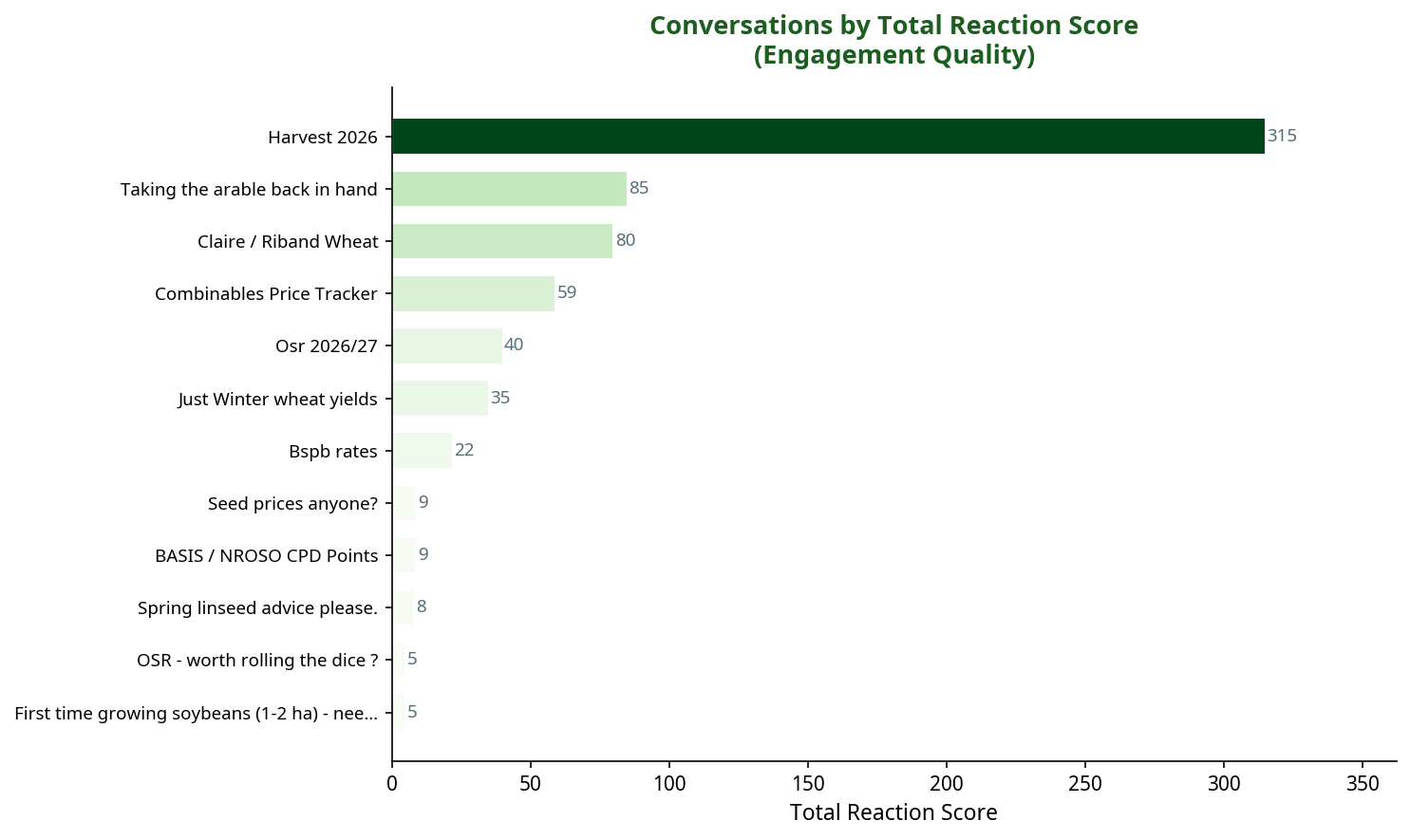
The most vigorously discussed conversation was the Harvest 2026 thread, encompassing 207 contributions. Growers reported a mixed bag of yield outcomes across the UK, with some areas—especially parts of east Yorkshire—benefiting from relatively consistent rainfall throughout spring and early summer, yielding favorable results. Typical wheat yields ranged from moderate 3.75t/acre on heavy soils to impressive 9-12t/ha milling figures where timely June rain supported grain fill. However, multiple contributors highlighted dry conditions and extended heatwaves in July causing moisture stress, notably impacting spring oats and beans, with yields often below expectations (spring oats reported around 4.5-5.5t/ha).Harvest difficulties were also reported, including widespread “striping” patterns in barley and wheat crops visible from combine cabs, possibly linked to uneven emergence or moisture variability. Contributors debated desiccation approaches, particularly for linseed, noting the lack of approved herbicides this season constraining options. Discussions also involved logistical delays with harvest operations due to recent overnight rain and bright daylight conditions which some felt have accelerated crop maturation inconsistently.
Commodity Pricing and Market Trends
The ongoing Combinables Price Tracker attracted 64 contributions, with growers and traders dissecting current prices amid a challenging market environment. Wheat and barley contracts are subject to downward pressure, evidenced by predictions of wheat prices falling by approximately £25 per tonne next year. Several members exchanged insights on storage capacity and grain cleaning options to optimize selling timing. Pricing discussions also touched on the ramifications of oversupply driven by disappointing spring crops and the need for pragmatic market adjustments.Oilseed Rape (OSR) Outlook and Management
Oilseed rape featured prominently as a profitable crop for 2026, reflected in both the Osr 2026/27 and OSR – worth rolling the dice ? conversations. Contributors expressed intent to increase OSR cropping area next season due to favorable gross margins compared to other combinables and environmental scheme payments. Practical challenges were noted, especially regarding soil conditions delaying planting, and risk management amidst drought concerns. Varietal choices, seed pricing, and the timing of rolling or desiccation treatments were debated with a focus on maximizing profitability while mitigating established agronomic risks.Wheat Varietal Performance: Claire and Riband
The dedicated Claire / Riband Wheat discussion involved over thirty contributions evaluating these popular milling wheat varieties. Several growers compared yield data, quality parameters like Hagberg Falling Number, and disease tolerance under varying soil and moisture scenarios. Members favoring these varieties emphasized their consistent milling quality and resilience, although some expressed concern about uneven field emergence or variable plant stand counts.Winter Wheat Yields and Regional Variability
In Just Winter wheat yields, contributors shared their harvest outcomes, with yields generally between 8 and 12t/ha where conditions permitted. Increased June rainfall was credited for yield recovery this season compared to previous years in many regions. However, some areas suffering from moisture deficits saw reduced grain fill and lower quality metrics. These contributions showed a nuanced picture of the year’s growing cycle, heavily influenced by localized climate variation.Farm Management and Forward Planning
The theme of regaining control in arable farming was explored within Taking the arable back in hand. Discussions centered on strategies such as reviewing tillage practices, soil health initiatives, and thoughtful crop rotations to combat the effects of drought stress and market instability. Some contributors reported improvements in ploughed fields over minimum-till land in terms of crop coloration and potential yields, demonstrating a current reassessment of traditional versus conservation systems.—
Conclusion
This week’s forum activity underscored the complexity and variability facing arable farmers as they navigate the tail end of the 2026 harvest. While pockets of favourable weather have allowed promising yields, widespread drought and heat stress tempered optimism across many regions. Commodity pricing remains a concern with downward pressure anticipated in the combinables market. Oilseed rape continues to attract attention as a profitable alternative, encouraging shifts in crop areas for 2026/27. Varietal performance and farm management strategies remain under continual review as growers respond dynamically to evolving climatic and economic challenges. Stakeholders continue to benefit from the exchange of practical, experience-based insights and market intelligence within the forum community.—
End of Report