
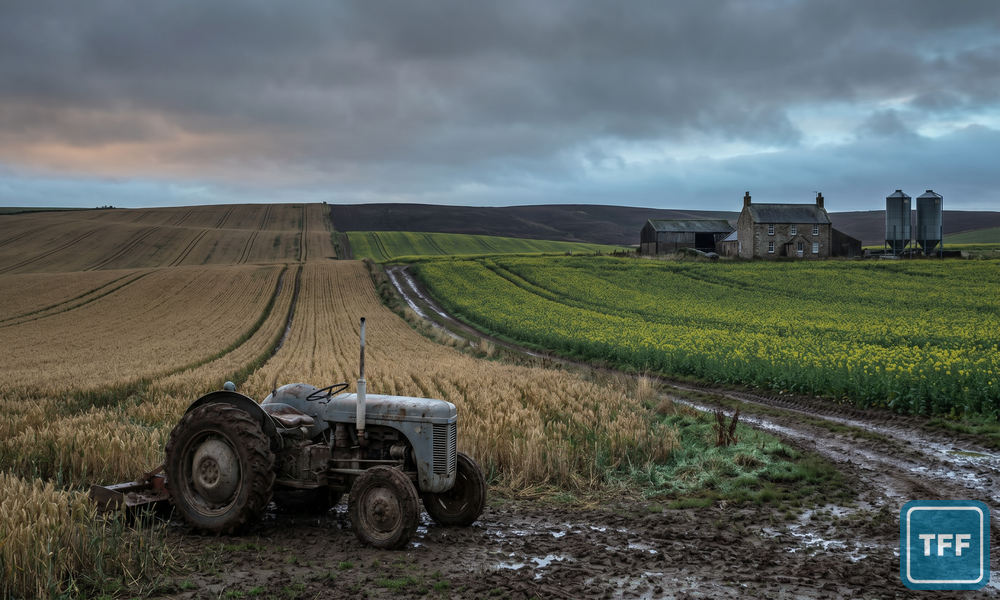
The UK’s food security is under the spotlight once again, and the farming community is not mincing its words. A recent conversation on The Farming Forum, titled “Food Shortage,” has laid bare the deep-seated concerns of farmers regarding the fragility of the nation’s supply chains, the impact of environmental policies, and a growing distrust in agricultural leadership.
The conversation, which saw 186 contributions from farmers over a week, highlights a critical juncture for UK agriculture. With an average of 3.26 reactions per contribution, the engagement levels reflect a community that is deeply invested and increasingly frustrated. The sentiment analysis of the conversation shows a community grappling with negative outlooks, particularly mid-week, before finding some common ground in calls for practical solutions.
Supply Chain Vulnerabilities
A recurring theme in the conversation is the vulnerability of the UK’s supply chain, particularly concerning essential inputs like CO2 and fertiliser. The recent geopolitical tensions have only exacerbated these concerns, but farmers are quick to point out that the root causes lie closer to home.
One contributor, nivilla1982, captured the mood perfectly, stating, “Britain’s CO2 vulnerability was not created by Iran. It was created when UK Ministers allowed domestic ammonia production to collapse in 2022.” This contribution alone received 27 reactions, underscoring the widespread agreement that domestic policy failures have left the sector exposed.
The Net Zero Conundrum
The tension between achieving Net Zero targets and maintaining food security is another major point of contention. Farmers are acutely aware of the environmental responsibilities they face, but they are also pragmatic about the realities of food production and distribution.
“Everything in the UK is moved/delivered by fossil fuels,” noted som farmer, in a contribution that resonated with many. “To cut carbon, fossil fuel use has to dramatically reduce. Until a useable/practical alternative is found, that simply will not happen.” This highlights the practical challenges that farmers face on the ground, which often seem disconnected from the policy decisions made in Westminster.
Frustration with the System
There is also a palpable frustration with the modern food system, particularly the role of supermarkets and agricultural leadership. The NFU, in particular, faced significant criticism, with one of the most reacted-to contributions simply stating, “Keep the NFU away from everything please.”
Supermarkets were also in the firing line, with farmers pointing out the inequities in the supply chain. “Supermarkets could easily use all those items as loss leaders (milk, bread, veg) and make it up on the rest of the weekly shop,” observed Pieces_of_Eight, highlighting the ongoing struggle for fair pricing for primary producers.
A Call for Localism
Despite the challenges, the conversation also offered solutions, primarily focused on a return to localism and self-sufficiency. There were strong calls for consumers to bypass the major retailers and support local farm shops and farmers’ markets.
“They need to put adverts out in all areas to tell people to use there local farm shops and Farmers Markets to buy direct from the producer,” urged Wolds Beef. This sentiment reflects a growing desire among farmers to reconnect with consumers and build more resilient, localized food networks.
The conversation on The Farming Forum serves as a stark reminder of the pressures facing UK agriculture. As the debate over food security continues, it is clear that the voices of those on the frontline of food production must be heard.
To read the full conversation on The Farming Forum here.
You can view a slide deck for the conversation by clicking here.
This conversation had been viewed 10,017 times on The Farming Forum when counted on 1 October 2026. Want your brand in the room when farmers are talking? Book advertising with Agri Web Media.