Sustainable Farming Incentive (SFI) Weekly Summary
Date Range: 10th August 2026 – 16th August 2026—
Executive Summary
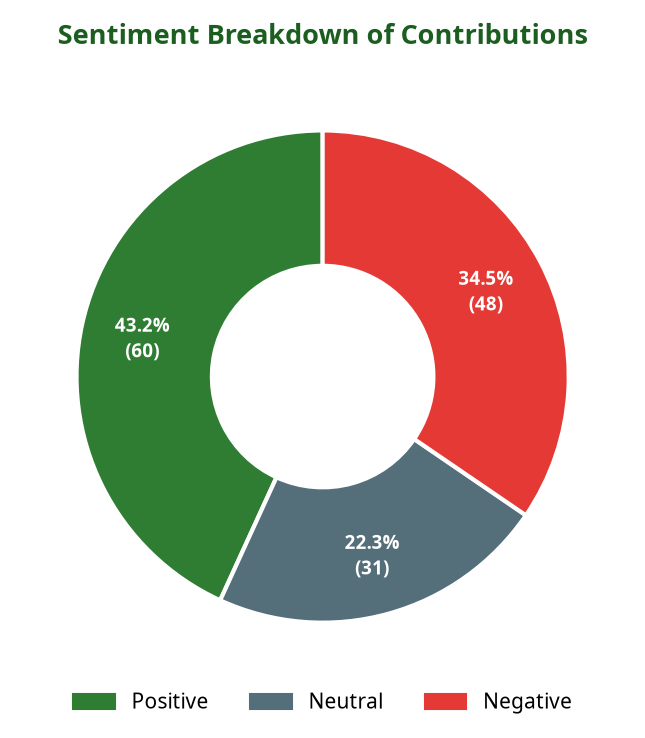
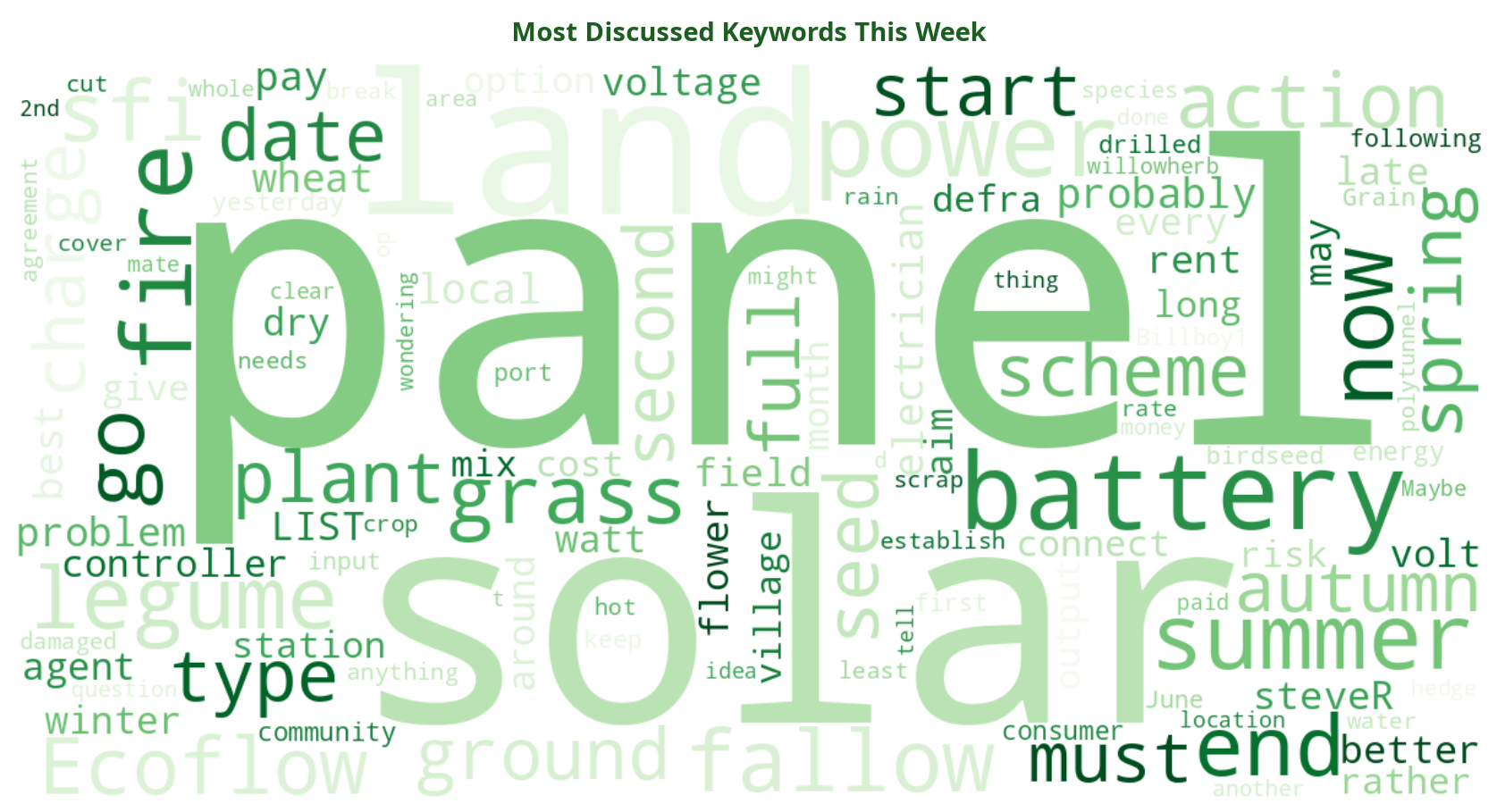
This week’s discussions in the Sustainable Farming Incentive (SFI) section of The Farming Forum centered heavily on the evolving practicalities and profitability of SFI schemes, particularly the Legume Fallow option for 2023 and the integration of solar PV within farming systems. Participants engaged in detailed debates about management nuances, payment rates, and rotational requirements of legume fallow, reflecting some uncertainty and strategic planning ahead of the January 2027 scheme start. Solar energy topics, including the viability of existing panels and maintenance challenges under extreme heat, also sparked significant interest. Other thematic conversations ranged from seed mix prescriptions and stewardship requirements to clarification on application progression and rural payment agency interactions. Despite some skepticism regarding remuneration and administrative complexity, users demonstrated constructive sharing of on-farm experiences and compliance interpretations.—
Conversations at a Glance
| Conversation Name | Contribution Count | Key Topics Covered |
|---|---|---|
| Rescuing “scrap” solar panels? | 41 | Testing and repurposing old solar panels, power output capacity, maintenance best practices |
| SFI 2023 Legume Fallow. | 30 | Rotational rules, payment rates, planting windows, weed management, and scheme value |
| Is solar pv still worth it? | 18 | Economic viability of solar PV installations, maintenance, integration with grazing |
| AHL2 wild bird food drilling dates. | 8 | Timing and best practice for wild bird seed drilling |
| What next and when – what happens after you submit an application. | 6 | Application processing, timelines, RPA interactions |
| Multiple answers to a really simple question on seed mixes. | 5 | Seed mix requirements, compliance clarity, RPA guidance discrepancies |
| Fire breaks on stewardship or SFI | 5 | Management of fire breaks in relation to stewardship and SFI obligations |
| Growing your own veg | 4 | Small-scale vegetable production in SFI context |
| Today’s RPA Q and A… any idea what time it’s scheduled? | 3 | Scheduling and access to RPA Question & Answer sessions |
| CIPM2 flower rich margin or block | 3 | Delivery and benefits of flower-rich margins under the Countryside Improvement schemes |
| Cleaning panels in extreme heat | 3 | Challenges and techniques for solar panel cleaning under high temperatures |
| SFI seed | 3 | Best sources and quality of SFI-compatible seed mixes |
| Wales SFS – Exempt from planting trees? | 2 | Tree planting exemptions under Welsh Sustainable Farming Scheme |
| Other various topics | 15 | Including production reduction, grazing options, leasing, biomass boilers, and scheme guides |
Key Thematic Discussions
1. Solar Energy Integration in Farming Systems
Rescuing “Scrap” Solar Panels & Viability Discussions The most active conversation this week focused on efforts to repurpose old or “scrap” solar panels found abandoned on farms or solar sites, with 41 contributions. Several contributors experimented with powering small units using these panels, reporting outputs near 190-200 Watts for older panels, noting degradation but potential for localized use such as charging power stations. Discussions included warranty terms often requiring cleaning and maintenance, with participants sharing cleaning tips especially relevant in current extreme heat conditions.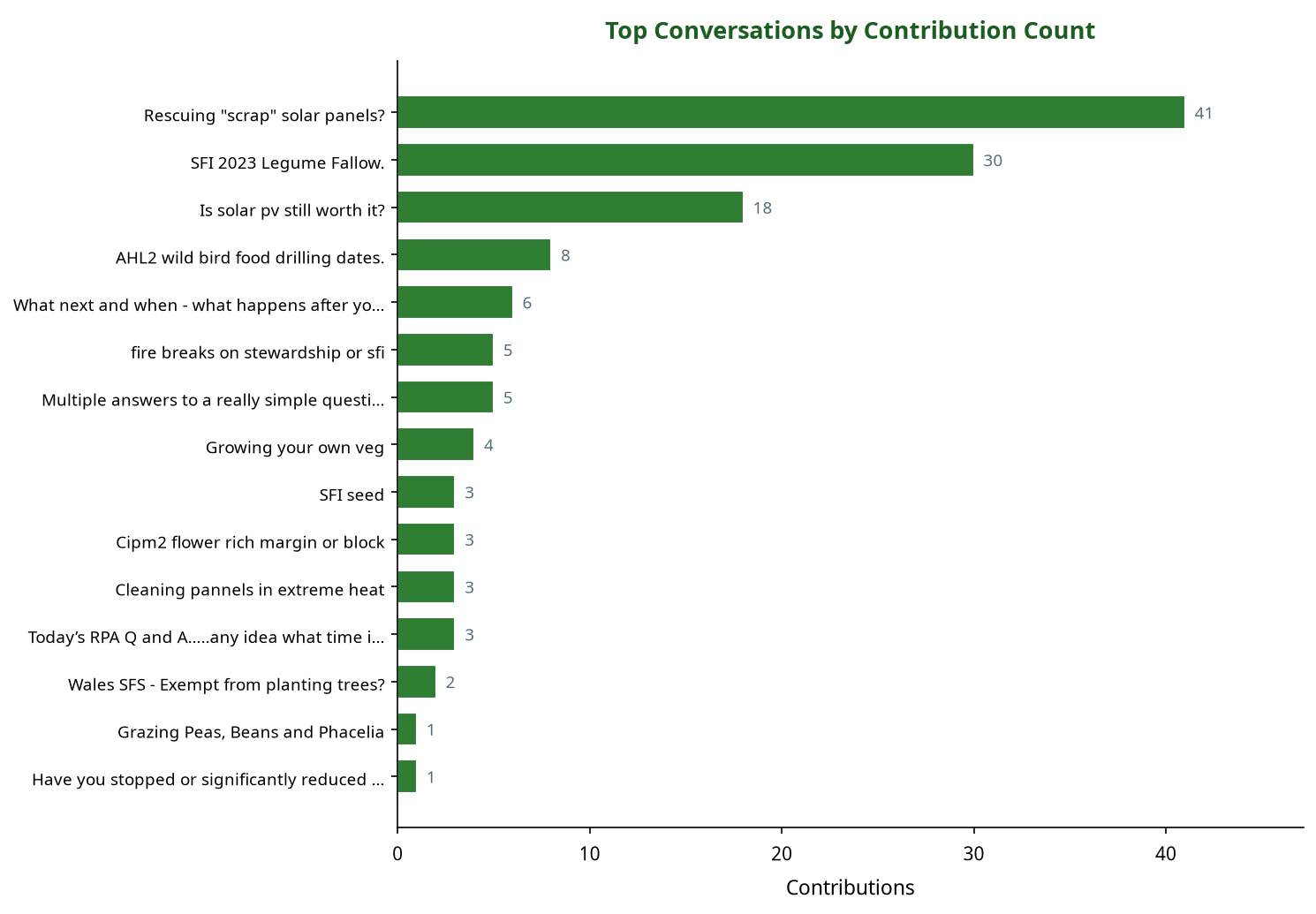
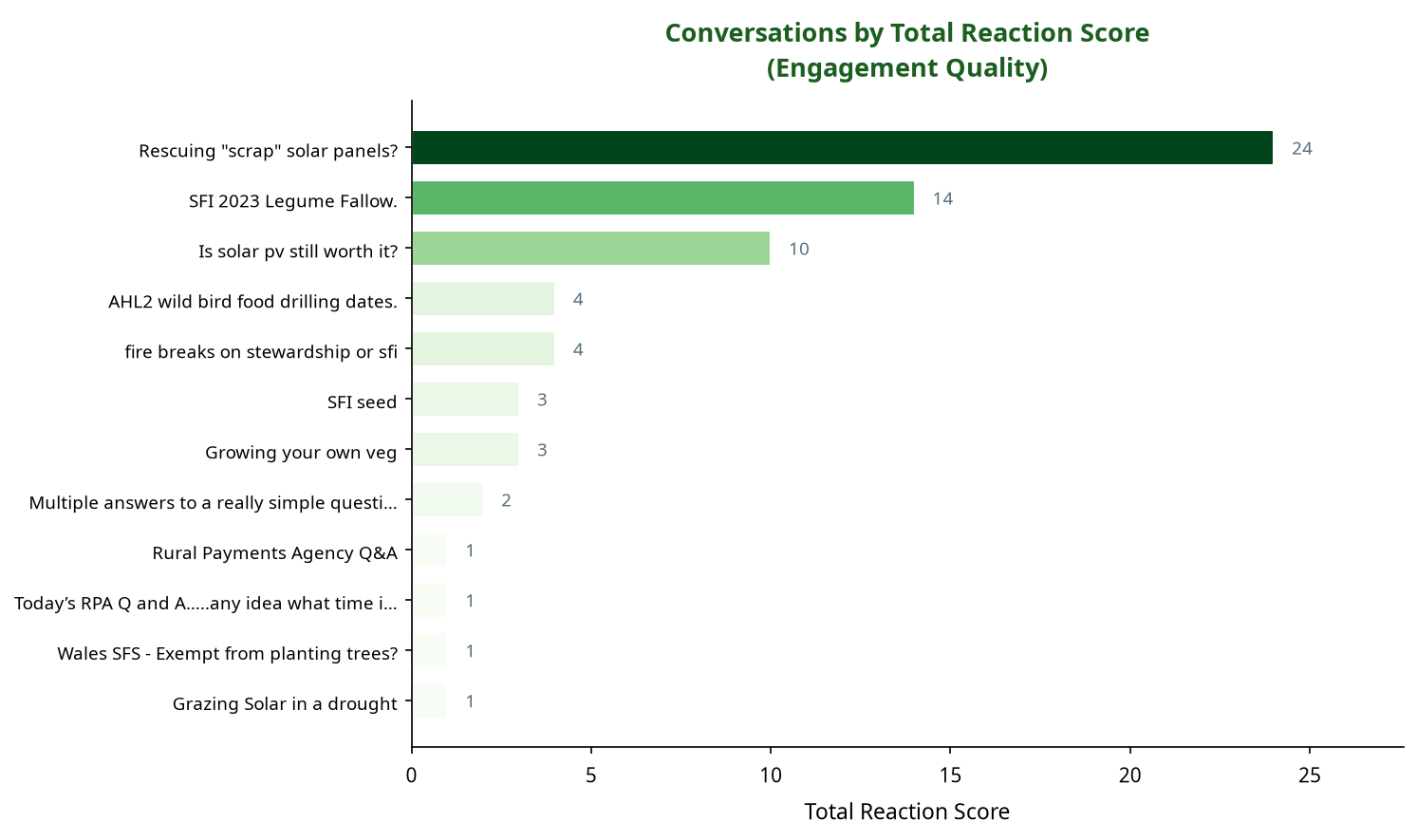
The economic worth of solar PV systems remained under scrutiny across 18 contributions. Diverse viewpoints ranged from quoting long-term benefits via reduced energy costs and integration with grazing, to concerns over poor returns relative to input costs and maintenance. The prevailing consensus suggested that solar PV installations are viable but require careful management and realistic financial expectations, especially on commercial field solar farms.
2. SFI 2023 Legume Fallow Scheme – Implementation and Payments
With 30 contributions, the 2023 Legume Fallow conversion dominated conversations centered on clarifying scheme requirements and rotations. Members discussed whether wheat planting could follow legume fallow the same year or if a two-year green cover period is mandatory, with interpretations indicating a full year (two summers) of green cover is required before conventional cropping resumes.Payment rates of circa £530/ha were considered low by many, with several contributors suggesting that legume fallow is “not worth it” if planted annually due to reduced profitability versus spring beans or cereal crops. Some shared agronomic benefits such as nature enhancement and weed suppression, yet financial trade-offs remain a concern. Rotational flexibility and the durability of seed mixes in one location also drew queries. Overall, the conversation reflected cautious optimism about ecological benefits but pragmatic scrutiny regarding financial incentives.
3. Seed Mixes & Stewardship Compliance
Multiple contributions addressed the complex interpretation of seed mix requirements, with disagreement even within RPA guidance on minimum species diversity and rotational constraints. Participants sought advice on where to source quality SFI-certified seed, with suggestions ranging from grain merchants to specialist suppliers.Additional dialogue touched on managing stewardship obligations such as fire breaks and the planting of flower-rich margins (CIPM2), emphasizing the importance of maintaining compliant, effective mixtures to satisfy both inspections and ecological goals.
4. Application Process and RPA Engagement
Users shared experiences and uncertainties regarding timeline expectations after application submission, with six contributions attempting to clarify next steps and communications with the Rural Payments Agency (RPA). Some frustration emerged over delays and complexity, while others advised patience and diligence in monitoring account statuses—highlighting the ongoing need for transparent and consistent agency communication.—
Conclusion
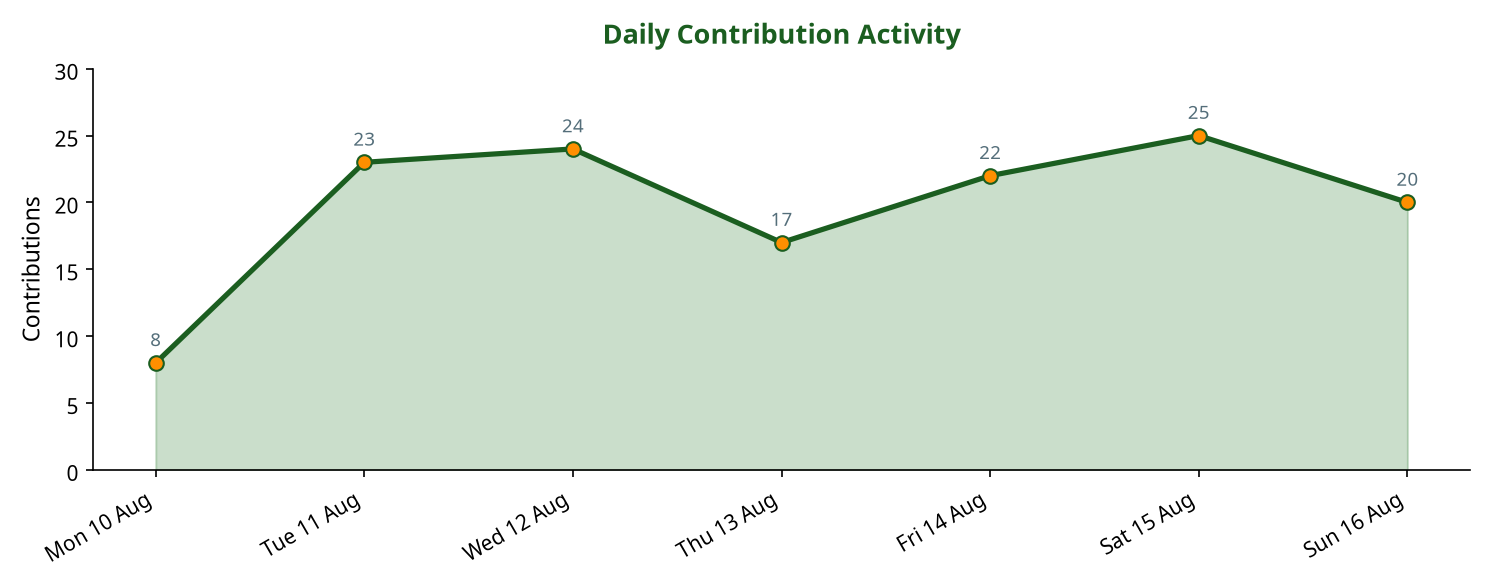
This week’s activity within The Farming Forum’s Sustainable Farming Incentive section underscored active and informed engagement among farmers adapting to changing environmental schemes and renewable energy integration. Discussions reflected a nuanced balancing act between ecological objectives and economic realities, with legume fallow and solar PV systems at the core of debate. While some uncertainty around scheme interpretation and profitability persists, collective knowledge sharing and practical insights continue to help the farming community navigate evolving rural policy landscapes. Continued monitoring of upcoming scheme cycles and RPA guidance will be essential for participants aiming to optimize both compliance and on-farm outcomes.—